
White Desert Stargazing: Milky Way, Best Dates and Photo Tips
 Local insight by Eyad Elzaghandi
6 min read
White Desert stargazing is among the best in Egypt because the park is far from city lights and the air is usually dry and clear. Plan your night within a few days of the new moon. The bright core of the Milky Way is visible from about March to September, while winter nights show Orion and many bright stars. A night at a desert camp is the only way to enjoy it fully.
- Best moonNear the new moon
- Milky Way coreAbout March to September
- Light pollutionVery low
- HowOvernight camp
In this guide
Why the White Desert is perfect for stargazing
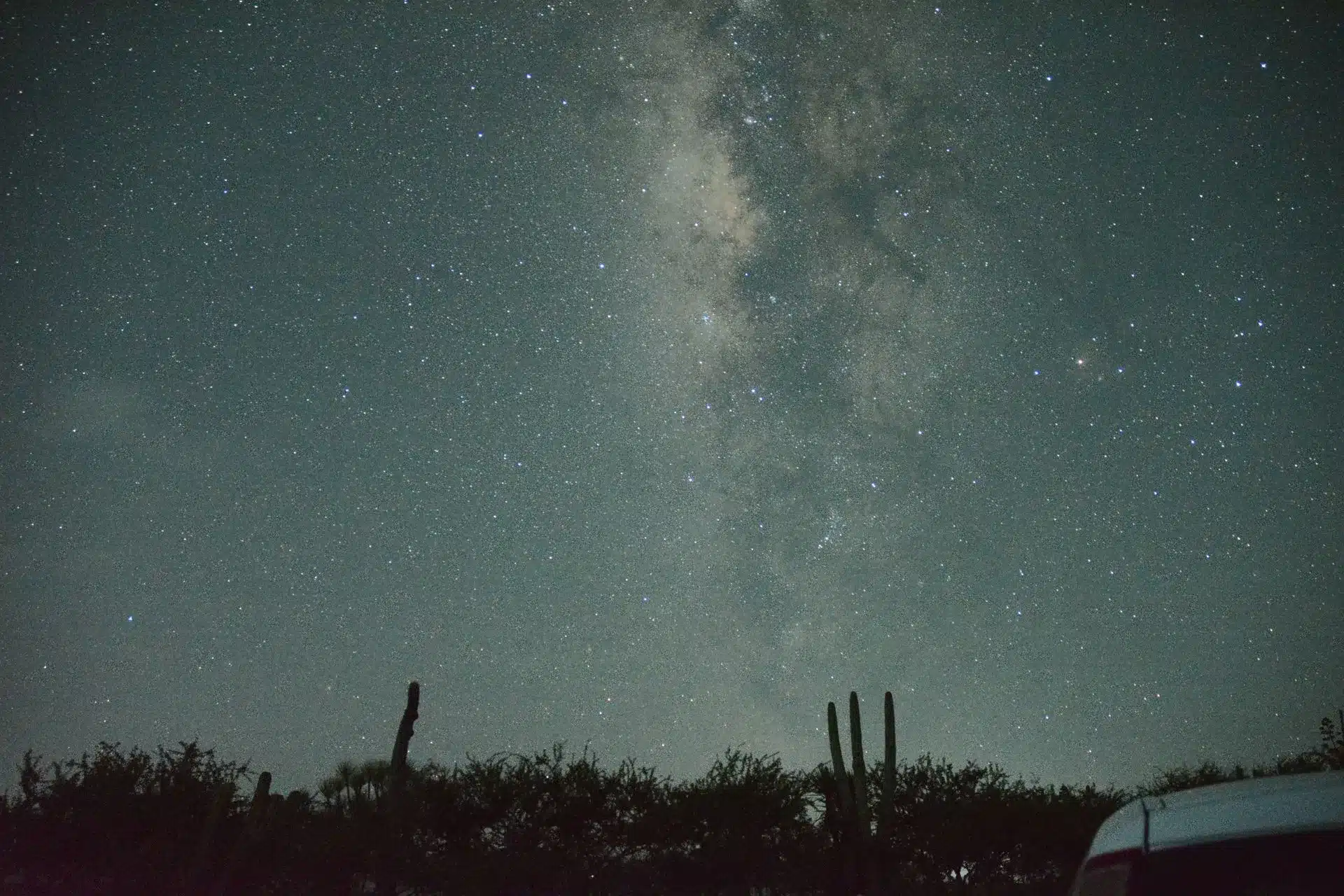
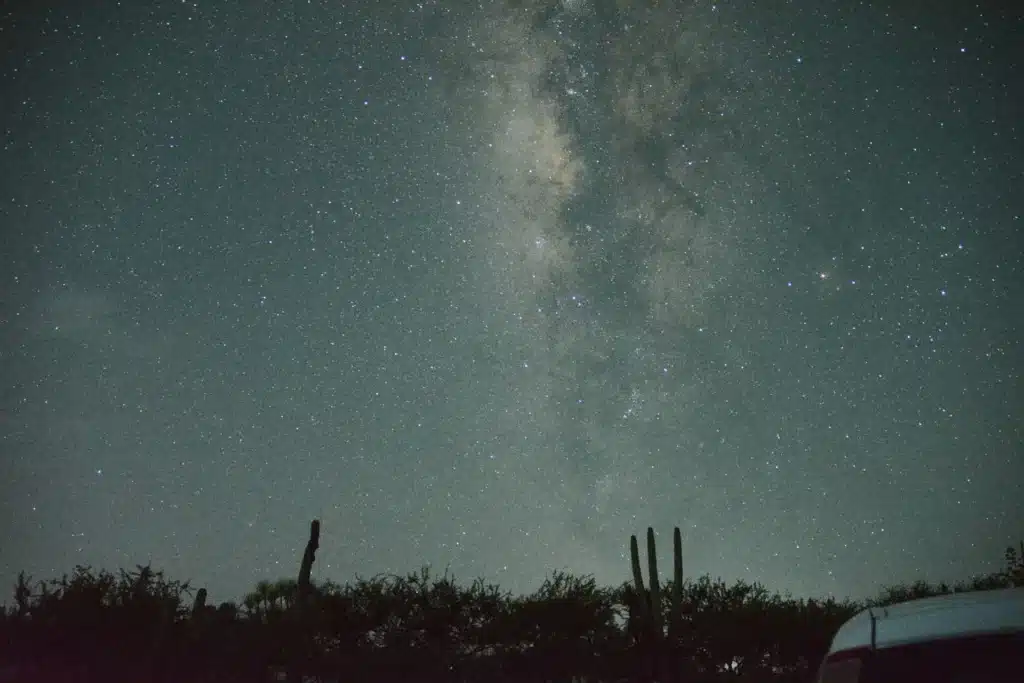
The first time guests lie on a mattress in the sand and look up, most of them stay silent for a long time. The sky is not dark blue with a few stars, it is full of them, layer behind layer, and on moonless nights the Milky Way crosses from one horizon to the other like a cloud of light.
The White Desert is ideal because it is far from big towns, the air is dry and clouds are rare for most of the year. The white chalk formations also make a beautiful foreground, glowing softly under starlight. For many travelers, this night becomes the strongest memory of their trip to Egypt.
When to go: moon, season and weather
Follow the moon
The moon is the biggest factor. A full moon lights the desert so well that you can walk without a lamp, which is magical in its own way, but it hides most stars. For the best White Desert stargazing, plan your night within about 4 days of the new moon, or choose a date when the moon sets early in the evening.
Milky Way season
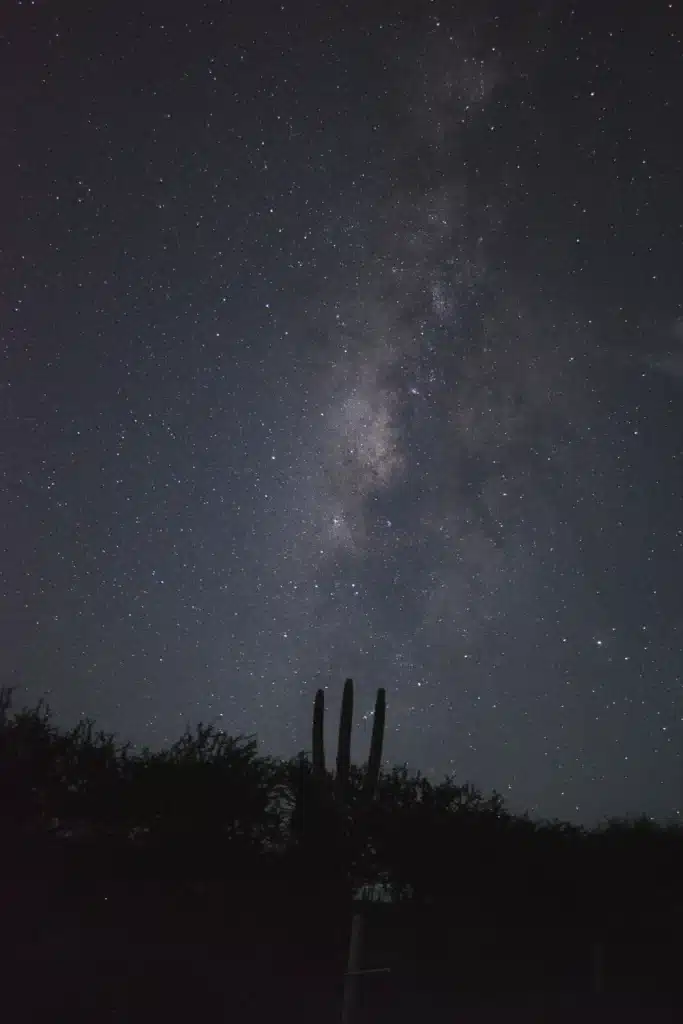
The bright core of the Milky Way, toward the center of our galaxy, is visible from about March to September. In spring it rises late at night, and in summer it is high in the sky after sunset. From October to February the core is not visible, but the winter sky is full of bright stars and constellations like Orion, and nights are very clear.
Weather
October to April gives the most comfortable nights. Bring warm layers in winter, when nights can be close to 0°C. Summer nights are warm and pleasant, though the days are hot.
What a night under the stars feels like
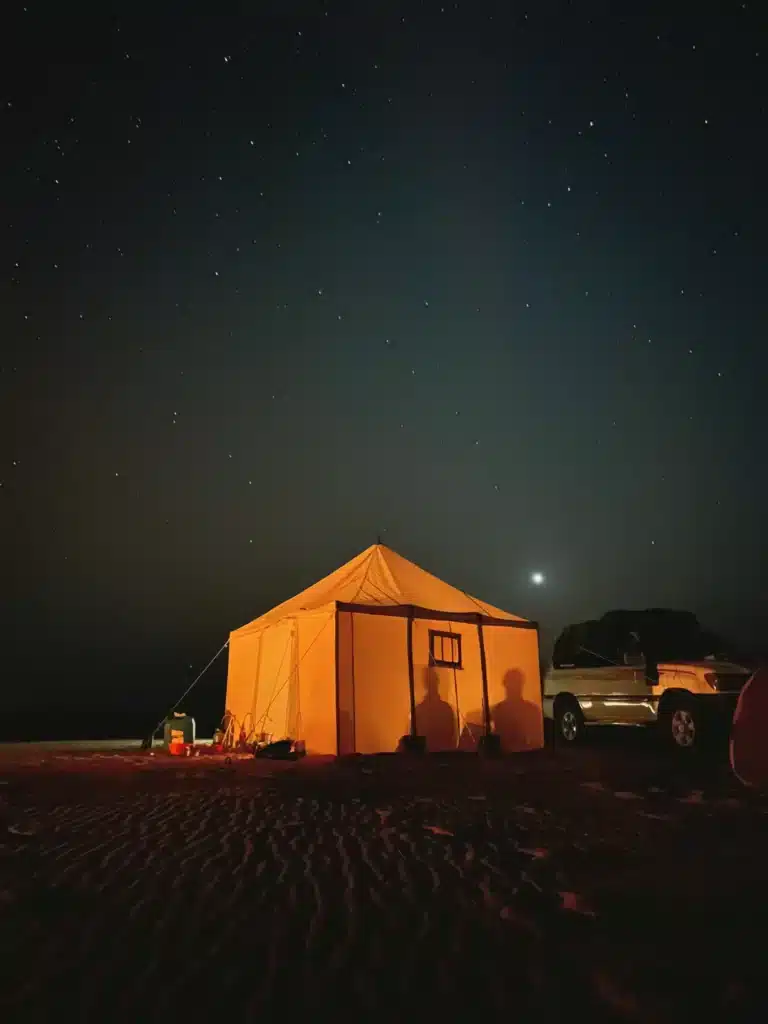
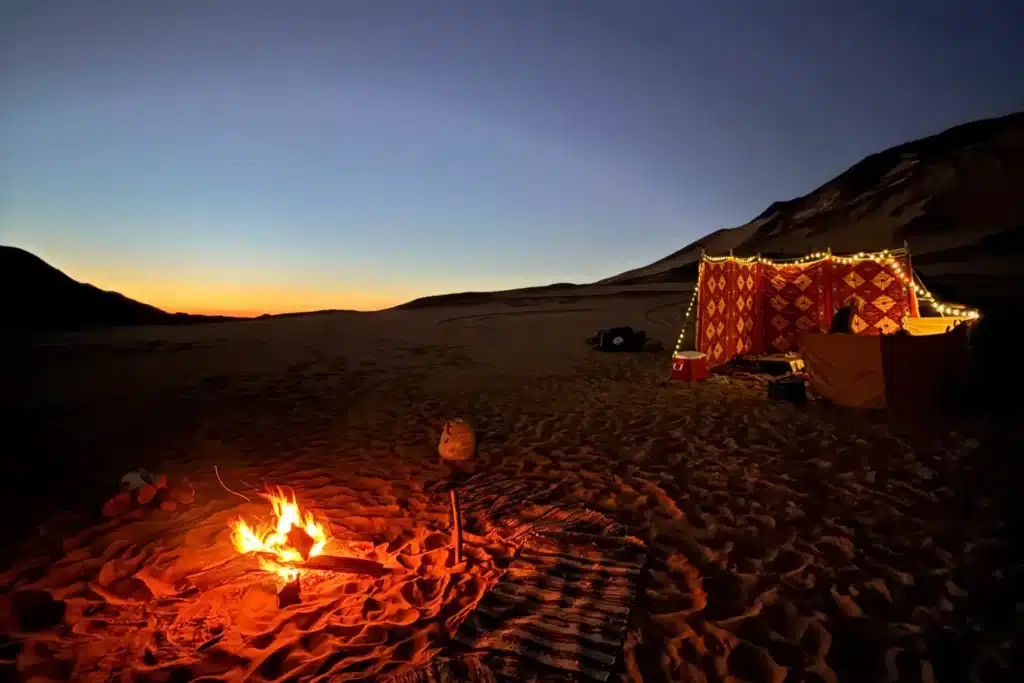
After sunset our team lights the fire and cooks dinner. When the sky is fully dark, we move a little away from the camp light. Your guide points out the North Star, the constellations and, in season, the Milky Way, and tells the Bedouin names for the stars that guided caravans through the desert.
Then it is time to lie back and look. With patience you will see shooting stars and slow moving satellites. If you wake up later in the night, look again: the sky will have turned, and new stars will be over the rocks.
What you can see in the desert sky
- The Milky Way, our own galaxy, as a bright band across the sky in season.
- Planets such as Jupiter, Saturn, Venus and Mars, brighter than any star and steady, not twinkling.
- Constellations like Orion and Taurus in winter, Scorpius and Sagittarius in summer.
- Shooting stars, especially during meteor showers like the Perseids in August and the Geminids in December.
- Satellites crossing the sky slowly in the first hours after sunset.
- The Andromeda Galaxy, a faint smudge of light visible to the naked eye on the darkest autumn nights.
Bedouin and oasis families have their own names and stories for many stars. Ask your guide and you will hear how they helped travelers find their way between the oases long before maps and GPS.
Where you sleep
Our camps are set among the chalk formations, away from other groups whenever possible. You sleep on thick mattresses with sleeping bags and blankets, either in a simple tent or in the open under the sky, which we recommend on clear nights. The campfire is put out or kept low after dinner so it does not spoil the darkness.
How to photograph the stars in the White Desert
You do not need professional equipment, but you need a camera that allows manual settings and a tripod. Start with these settings and adjust:
- Lens: wide angle, 14 to 24 mm, as bright as possible (f/1.8 to f/2.8).
- Aperture: the widest your lens allows.
- Shutter: 15 to 20 seconds to keep the stars sharp.
- ISO: 3200 to 6400.
- Focus: manual, on a bright star using live view zoom.
- White balance: around 3800 to 4200 K.
Use a chalk formation as foreground and light it softly with a dim lamp for a second or two. Modern phones with night mode on a small tripod also give great results.
Our 3-day White Desert photography tour is built around this: golden hour sessions, a Milky Way night and a guide who knows the best foregrounds.
Tips for the best stargazing night
- Use a red light or the lowest setting of your headlamp, to keep your night vision.
- Give your eyes 20 minutes in the dark.
- Bring a warm jacket, hat and socks, even in spring.
- Download a star map app before the trip, as there is little signal in the desert.
- Ask us for the moon phase on your dates when you book.
White Desert stargazing: the short version
- The White Desert has very low light pollution and clear, dry air.
- Plan your night within a few days of the new moon.
- The Milky Way core is visible from about March to September.
- Use a tripod, wide lens, 15 to 20 seconds and ISO 3200 to 6400.
- Sleep at a desert camp to enjoy the whole night sky.
White Desert stargazing FAQ
Is the White Desert good for stargazing?
Yes. It is far from cities, with dry air and clear skies most of the year.
When can you see the Milky Way in the White Desert?
The bright core is visible from about March to September, best near the new moon.
Can you see stars during a full moon?
Only the brightest. A full moon lights the desert beautifully but hides most stars.
Do I need to camp to see the stars?
Yes. Day trips return before the sky is fully dark. A night at camp is the only way.
How cold are White Desert nights?
Cool from November to February, sometimes close to 0°C. We provide sleeping bags and blankets.
What camera settings should I use?
Wide lens, widest aperture, 15 to 20 seconds, ISO 3200 to 6400 and manual focus on a bright star.

Eyad was born in Bahariya Oasis and works as a licensed tour guide. With the Egypt Desert Trips team of local guides and drivers, he hosts travelers in Cairo, the Western Desert, the Nile Valley and Sinai. Meet the team.
Keep planning
Planning your own Egypt journey?
Tell us your dates, interests and travel style. Eyad and the Egypt Desert Trips team will help shape a private journey around the Egypt you want to experience.
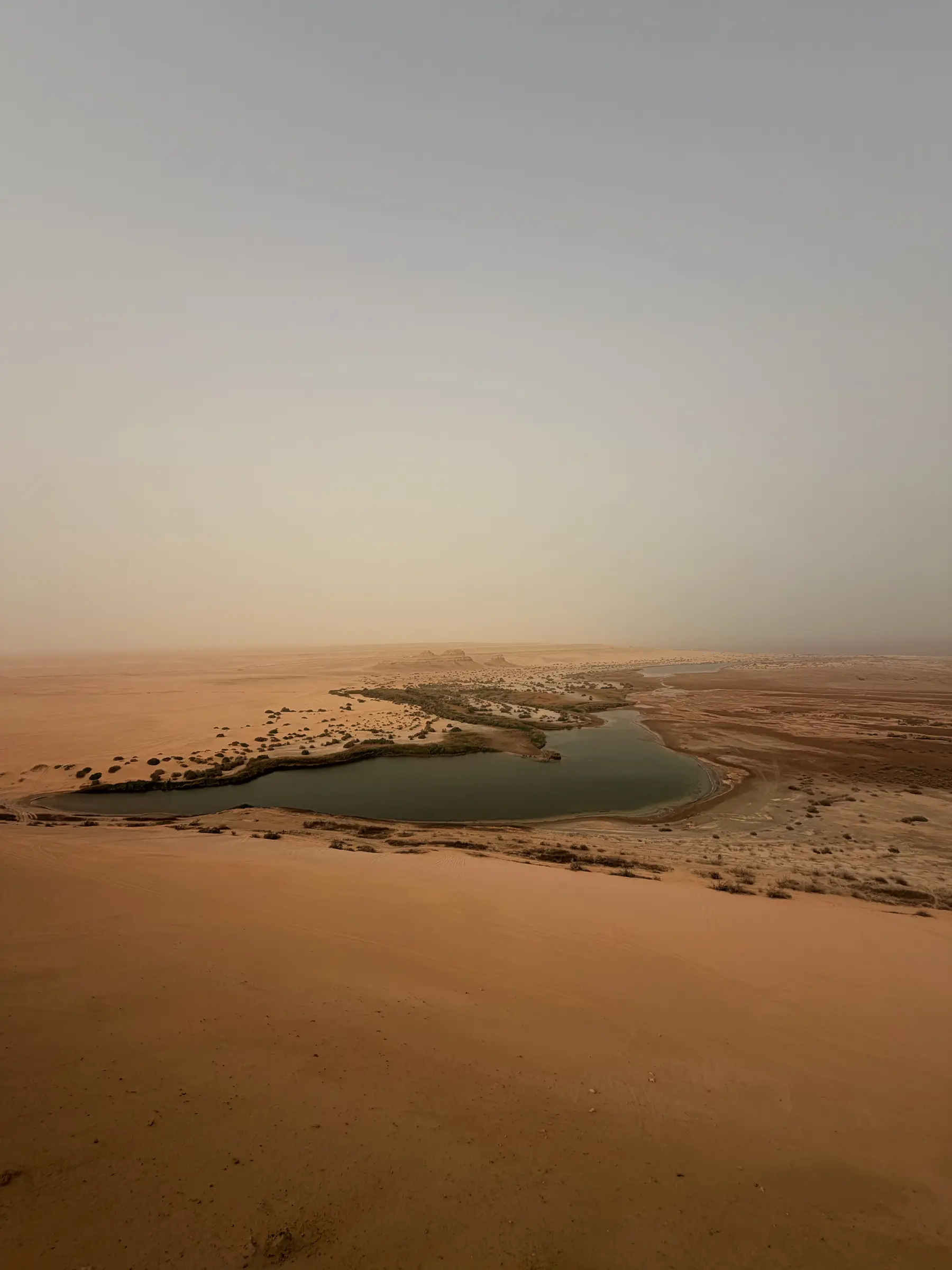
10 Things to Do in Fayoum, Egypt: Dunes, Waterfalls and Whales
A local guide to the best things to do in Fayoum, from the waterfalls of Wadi El Rayan and the…
Read Guide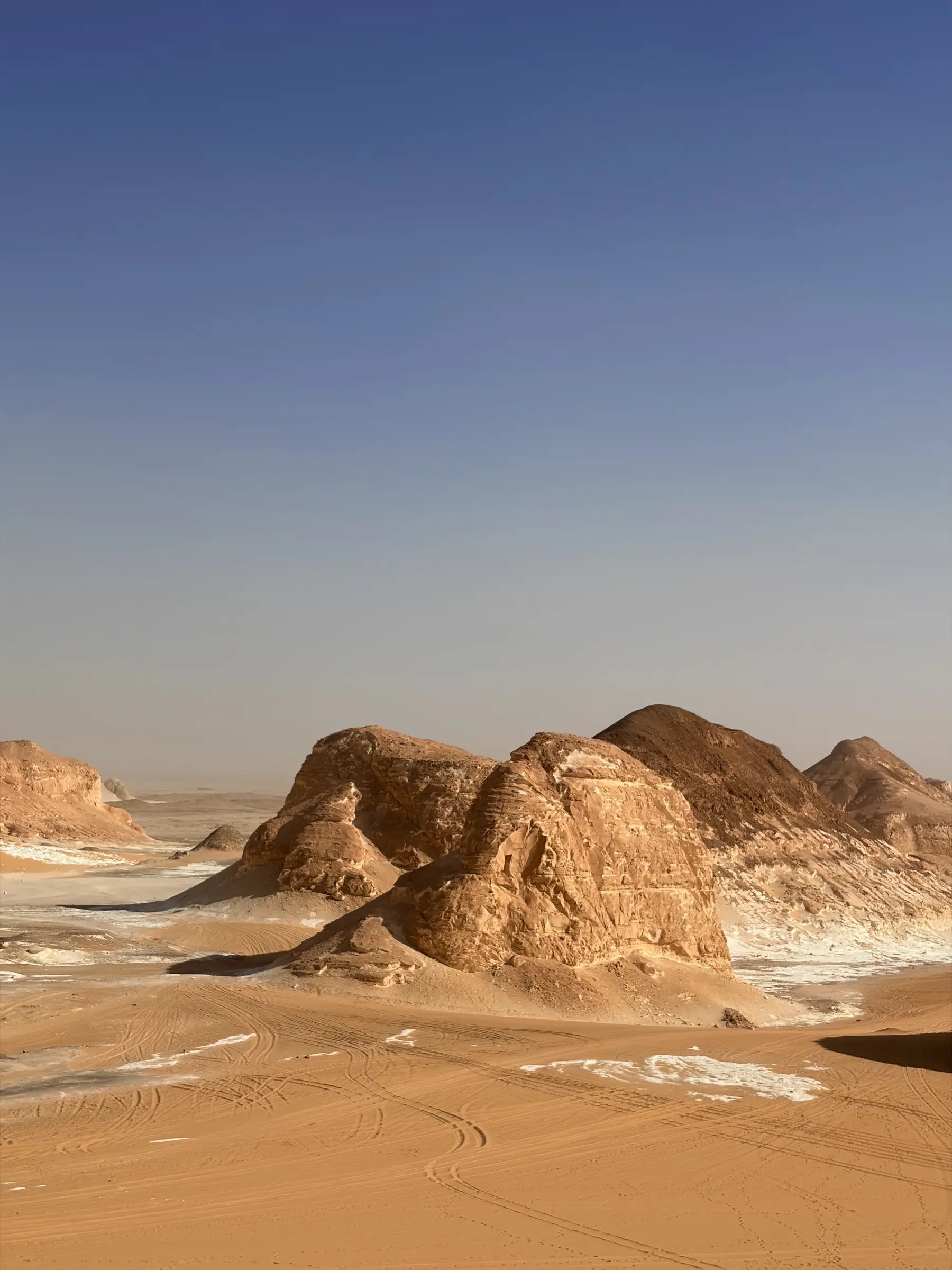
12 Things to Do in the White Desert, Egypt (A Local’s List)
Our local list of the best things to do in the White Desert of Egypt, from sunset at Mushroom Rock…
Read Guide
Sandboarding in Egypt: Best Dunes, Fayoum Buggy Rides and Tips
Where to go sandboarding in Egypt, how a first session works, how to combine it with a dune buggy ride…
Read Guide