
Valley of the Golden Mummies: Bahariya’s Greatest Discovery and How to See It (2026)
 Local insight by Eyad Elzaghandi
11 min read
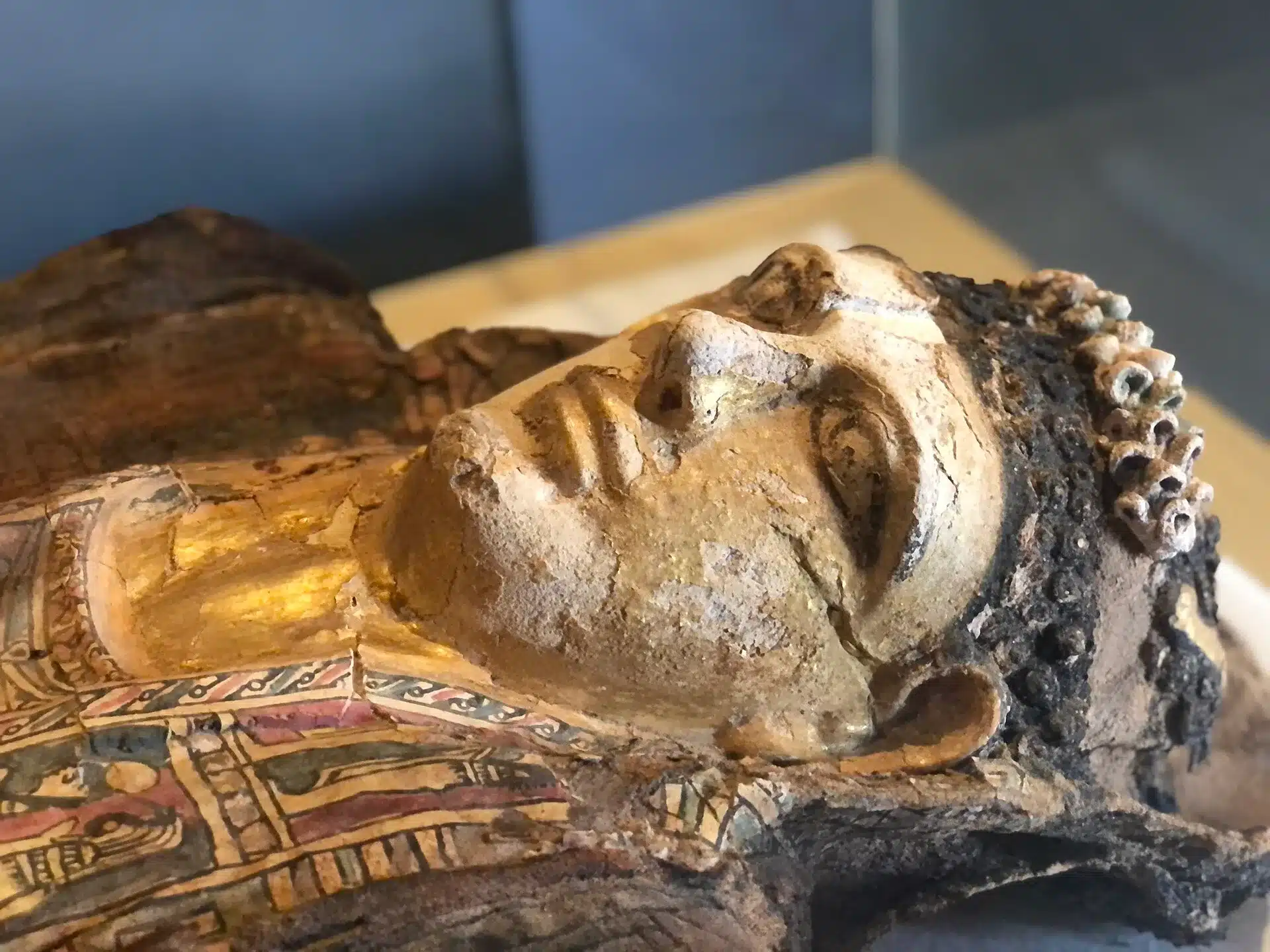
The Valley of the Golden Mummies is a Greco Roman cemetery near Bawiti in Bahariya Oasis, about 2,000 years old. It was found in 1996 when a donkey stumbled into a hidden tomb. Zahi Hawass and his team recovered about 250 mummies, some with gilded masks and chests, and estimated that the cemetery may hold thousands more. The necropolis itself is not open to visitors, but a selection of the mummies is displayed in Bawiti, close to the Late Period painted tombs and the Temple of Alexander the Great.
- Found1996
- PeriodGreco Roman, about 2,000 years ago
- RecoveredAbout 250 mummies
- Where to seeBawiti, Bahariya Oasis
In this guide
- The donkey that found a cemetery
- What was discovered
- Four styles of mummies
- Why the gold mattered
- Bahariya in Greco Roman times
- Can you visit the valley
- The Temple of Alexander the Great
- The painted tombs of Qarat Qasr Salim
- The chapels of Ain al Muftella
- Qarat al Hilwa and older history
- Bahariya through time
- A half day history route in Bawiti
- Tickets and opening times
- Photography rules
- The role of Zahi Hawass
- Oasis Heritage Museum
- Combine with the desert
- Common mistakes
- Getting to Bahariya
- Visiting with children
- Egyptian, Greek and Roman together
- How the mummies were made
- Where to stay
- Best time to visit
- See Bahariya with a son of the oasis
- Valley of the Golden Mummies in one minute
- Valley of the Golden Mummies FAQ
The donkey that found a cemetery
In 1996 a guard at the Temple of Alexander in Bahariya was riding his donkey through the desert when one of its legs broke through the sand. Underneath was a hole leading into a tomb full of mummies. He reported it to the antiquities authorities, and in 1999 Egyptian archaeologist Zahi Hawass began excavating. What they found made headlines around the world.
What was discovered
The excavations revealed a huge cemetery from the Greco Roman period, when Greek and then Roman rulers governed Egypt. Rock cut tombs held whole families, sometimes dozens of people in one tomb, along with pottery, jewellery and coins.
| Fact | Detail |
|---|---|
| Discovered | 1996, excavation from 1999 |
| Excavator | Zahi Hawass and an Egyptian team |
| Mummies recovered | About 250 over several seasons |
| Estimated total | Possibly thousands, according to the excavator |
| Age | About 2,000 years, Greco Roman period |
| Location | Near the Temple of Alexander, a few km from Bawiti |
Figures follow published reports of the excavation.
Four styles of mummies
The mummies were prepared in different ways, which probably reflected wealth and status. This variety is one of the reasons the find matters so much to historians.


| Style | Description | Status |
|---|---|---|
| Gilded | Gold leaf masks and chest covers with images of gods | Wealthiest families |
| Cartonnage | Painted plaster and linen covers with scenes of gods | Well off |
| Pottery coffins | Clay coffins shaped like human figures | Middle |
| Linen only | Wrapped in linen without decoration | Ordinary people |
Why the gold mattered
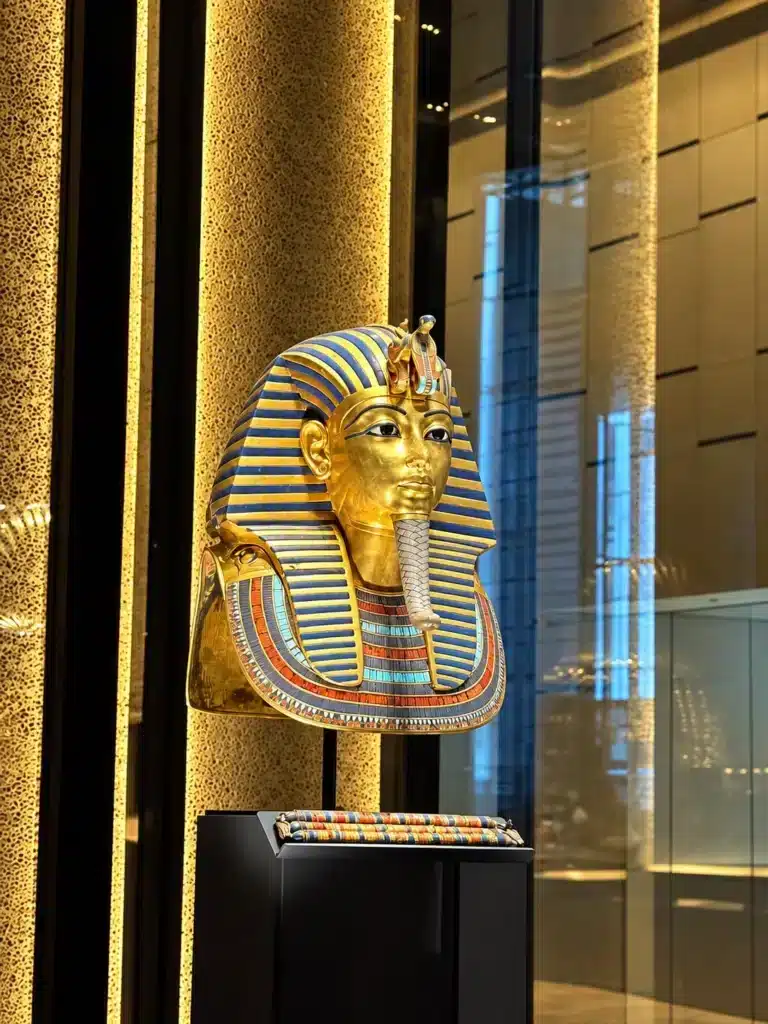
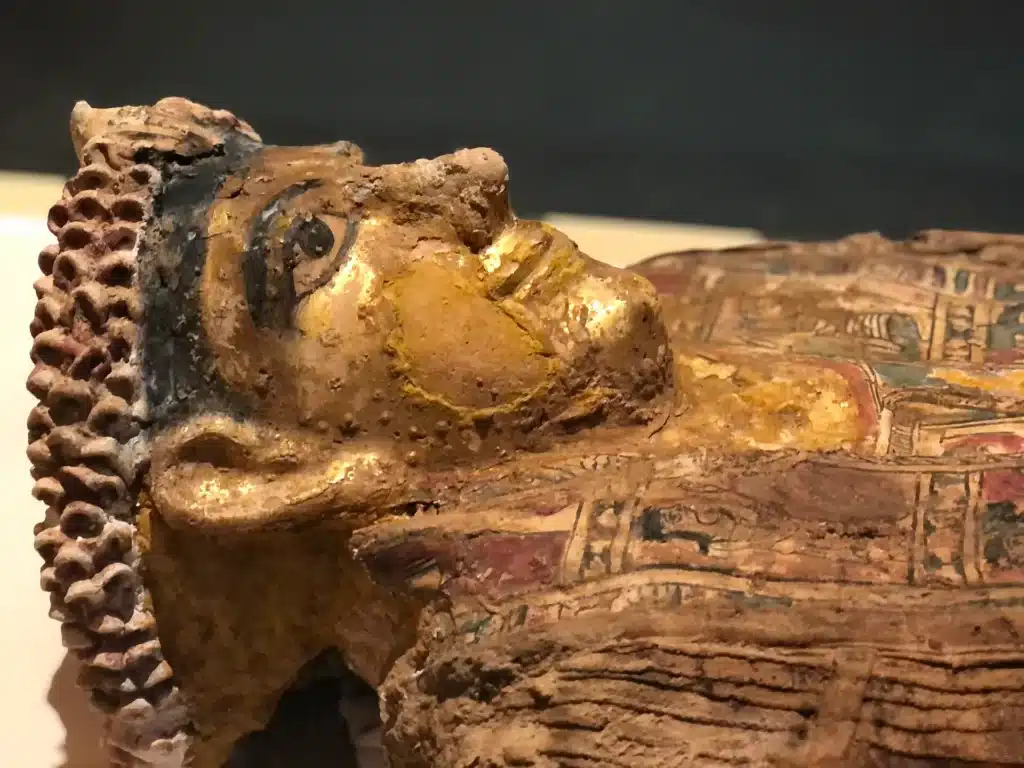
For ancient Egyptians gold was the flesh of the gods. It did not tarnish, so covering the face of the dead with gold was a way to make them divine and eternal. The Bahariya masks show faces with calm expressions and painted eyes, while chest panels show gods like Anubis, Isis and Horus protecting the dead on their journey. Some mummies combine Egyptian religion with Greek and Roman fashion, such as hairstyles and jewellery, showing how cultures mixed in the oasis.

Bahariya in Greco Roman times
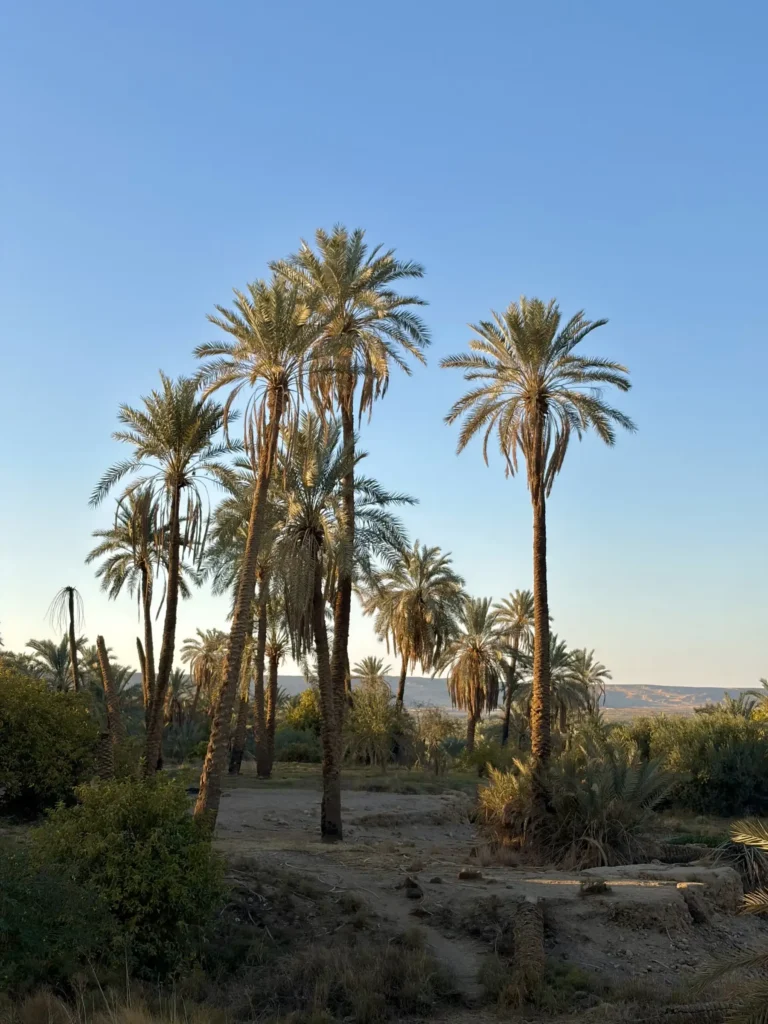
Two thousand years ago Bahariya was rich. Its springs watered vineyards and palm groves, and its wine was famous in the Nile Valley. Caravans passed through on the way to Siwa and Libya. The excavator estimated the oasis then had a population of tens of thousands, many working in farming, wine making and crafts. The size of the cemetery reflects that prosperity.
Can you visit the valley
The cemetery itself is an active archaeological site and is not open to visitors. What you can see is a selection of mummies displayed in Bawiti, in a small hall run by the antiquities authorities. Photography of the mummies is not allowed. Opening hours and tickets are set by the Ministry of Tourism and Antiquities and change from time to time, so check before you go or ask us.

The Temple of Alexander the Great
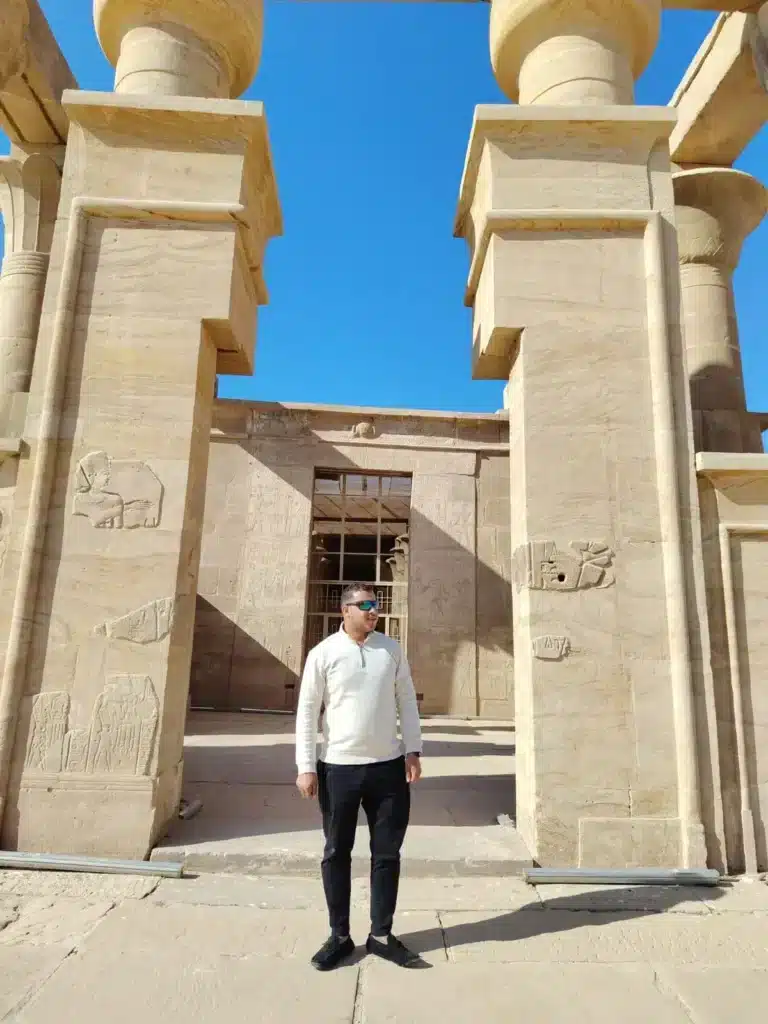
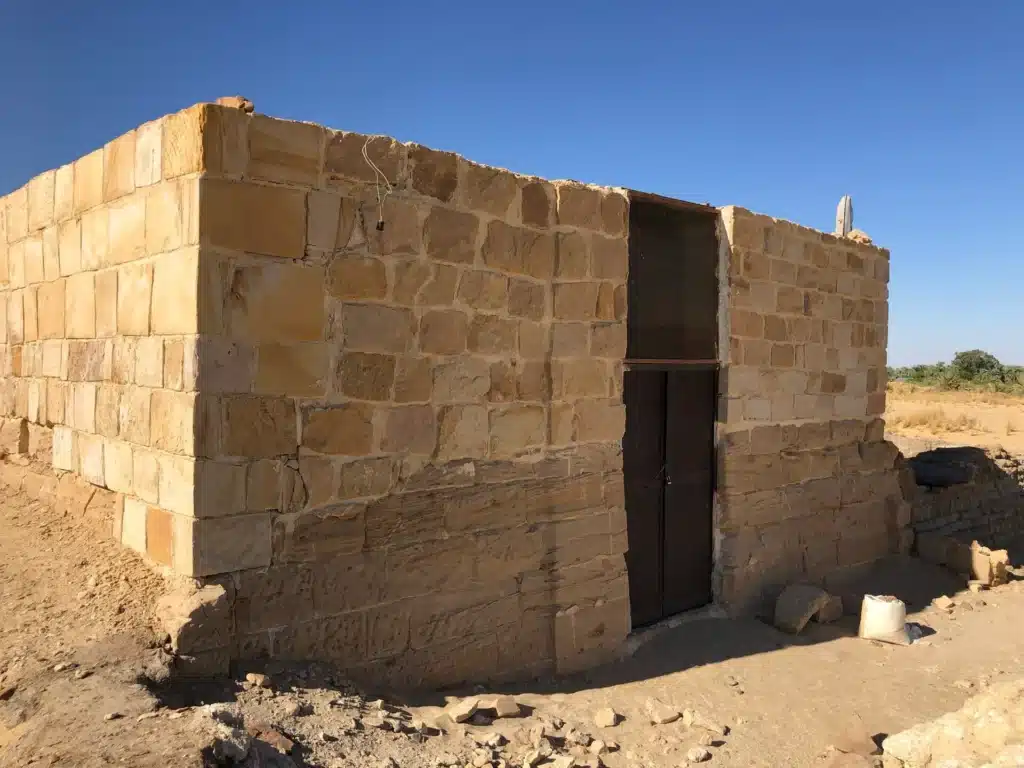
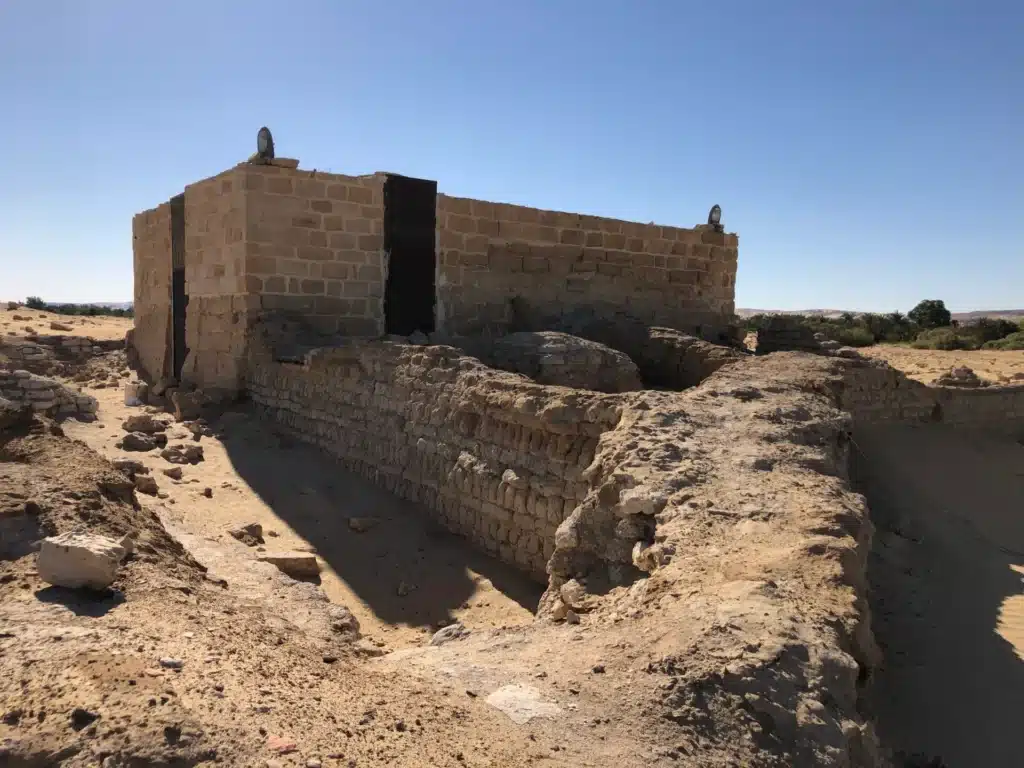
A short drive west of Bawiti stand the ruins of a temple built in the time of Alexander the Great. Egyptian archaeologist Ahmed Fakhry found it in 1938 and later identified it from blocks carved with Alexander’s name. Reliefs once showed Alexander as a pharaoh making offerings to Amun and Horus. It is described as the only known temple in Egypt dedicated in his lifetime. Today the ruins are mostly mud brick and sandstone foundations, but standing there you are only a few hundred metres from the Golden Mummies cemetery.

| Fact | Detail |
|---|---|
| Found by | Ahmed Fakhry, 1938 |
| Dedicated to | Amun and Horus |
| Built | In the time of Alexander the Great |
| Today | Ruins with protective cover |
| Distance | A few km west of Bawiti |
The painted tombs of Qarat Qasr Salim
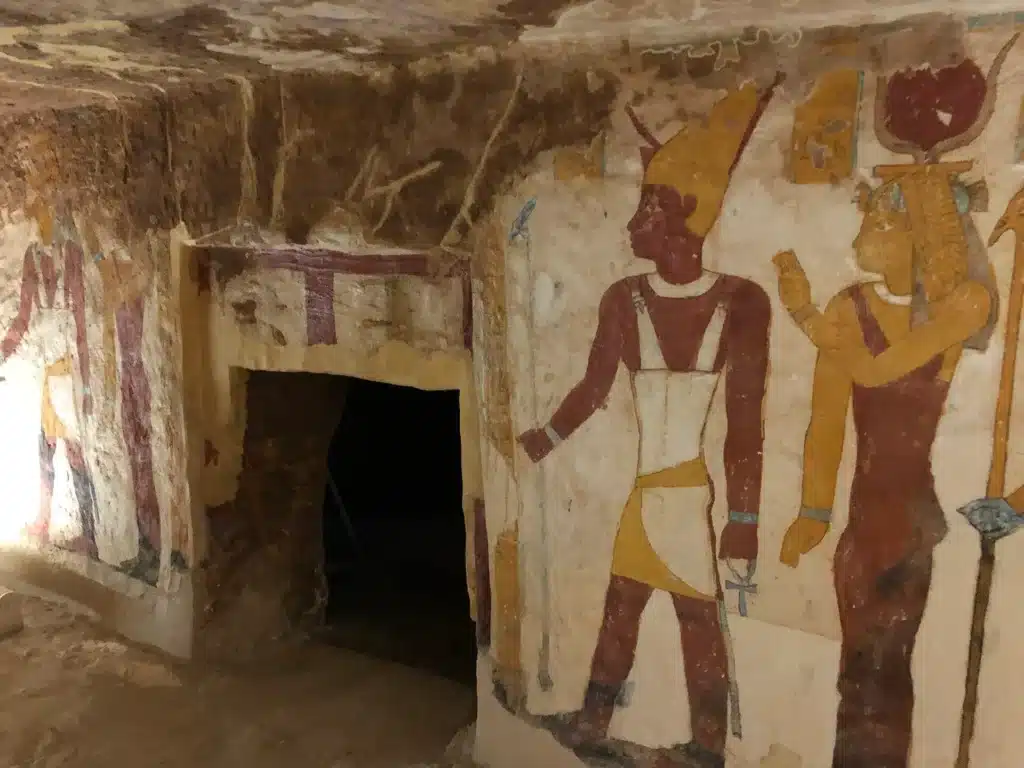
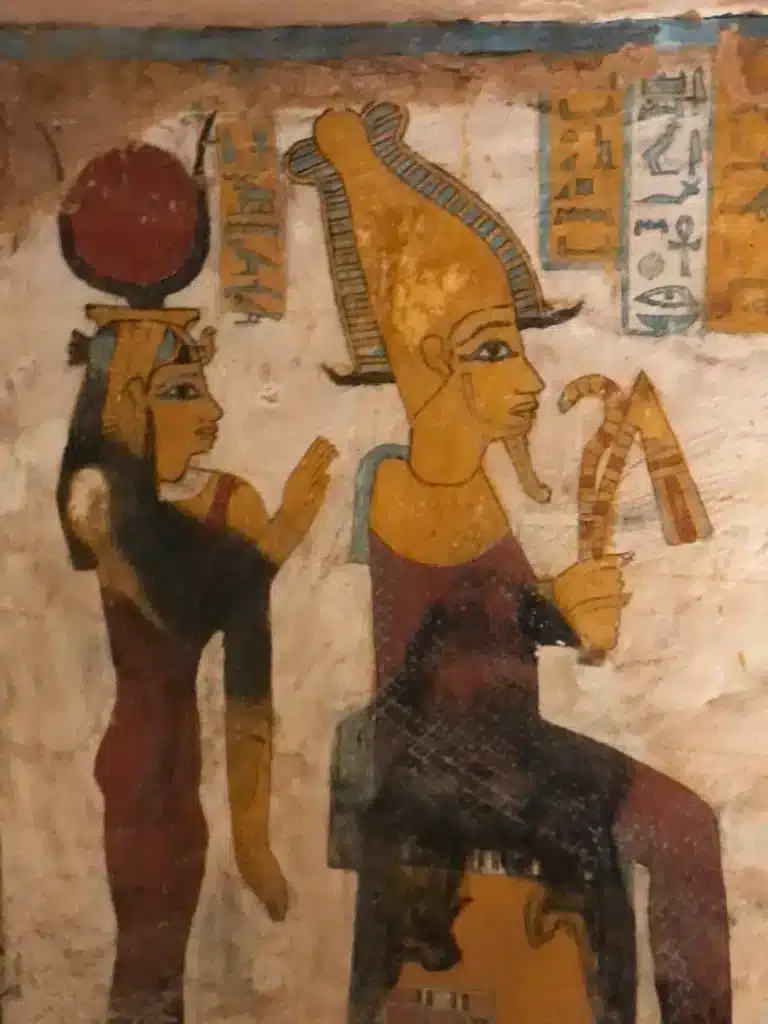
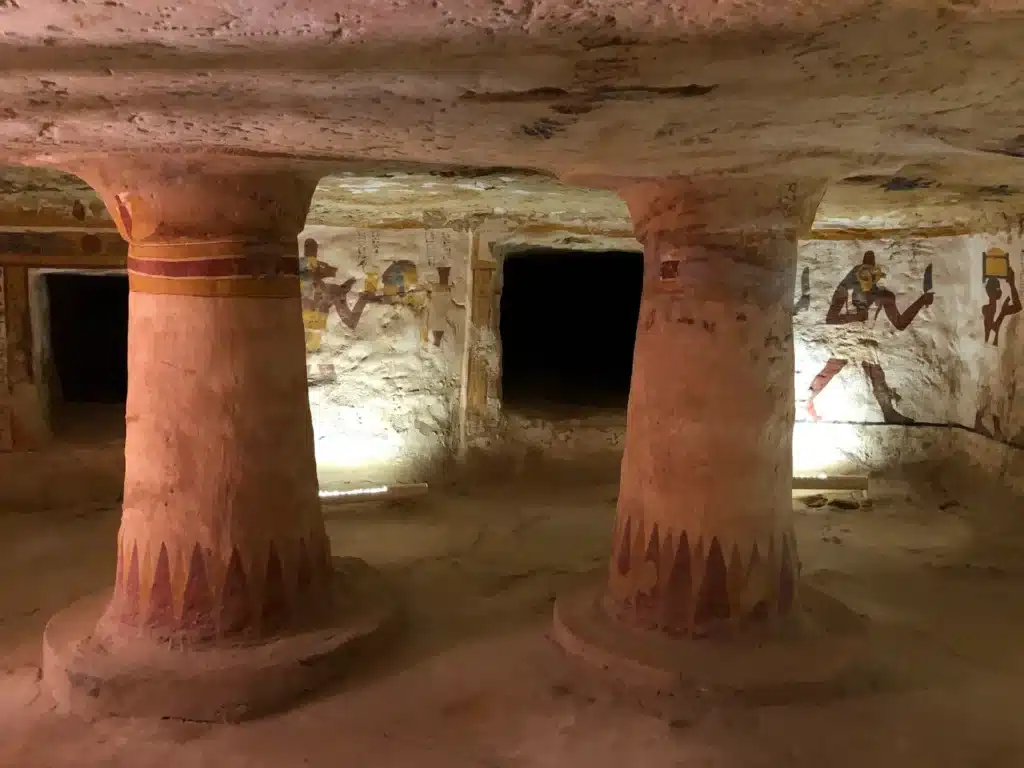
On a small hill in Bawiti are two tombs from the 26th Dynasty, about 2,600 years ago. They belonged to Zed Amun ef Ankh, a wealthy merchant, and his son Bannentiu. You climb down a short shaft into chambers with bright paintings of gods, offerings and the journey of the soul. Bannentiu’s tomb is the more colourful, with scenes of Anubis preparing the mummy and the sun god in his boat.
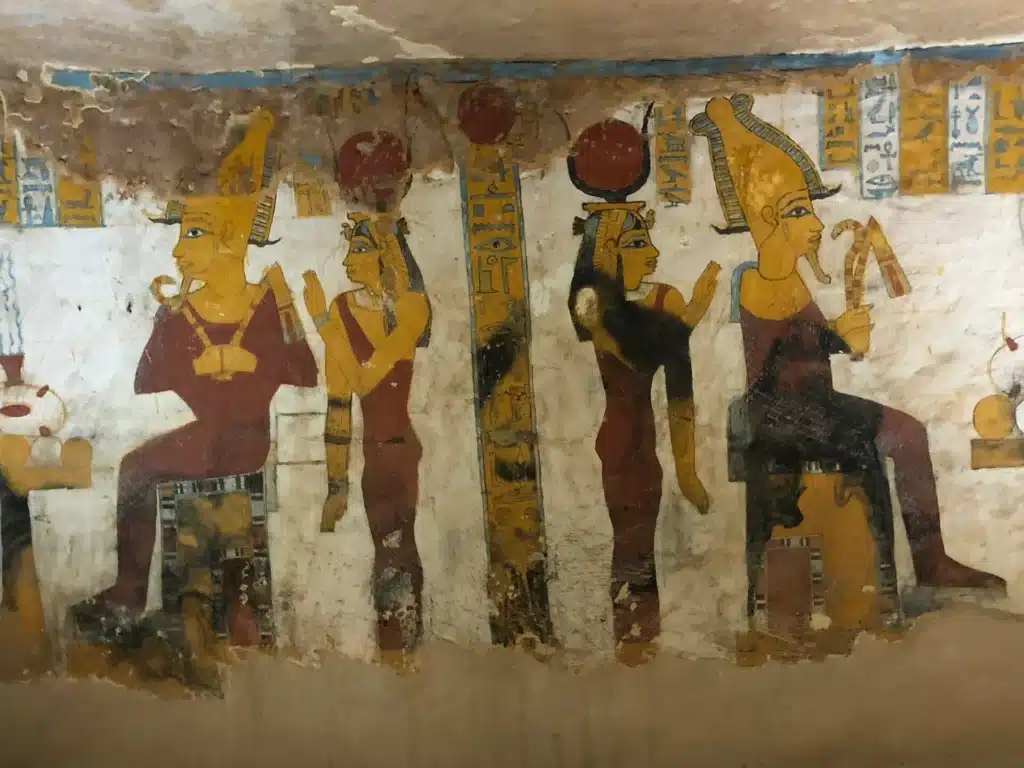
| Tomb | Owner | Highlights |
|---|---|---|
| Tomb of Bannentiu | Son of a merchant | Vivid paintings, gods and the sun boat |
| Tomb of Zed Amun ef Ankh | Wealthy merchant | Star ceiling and vulture goddess |
The chapels of Ain al Muftella
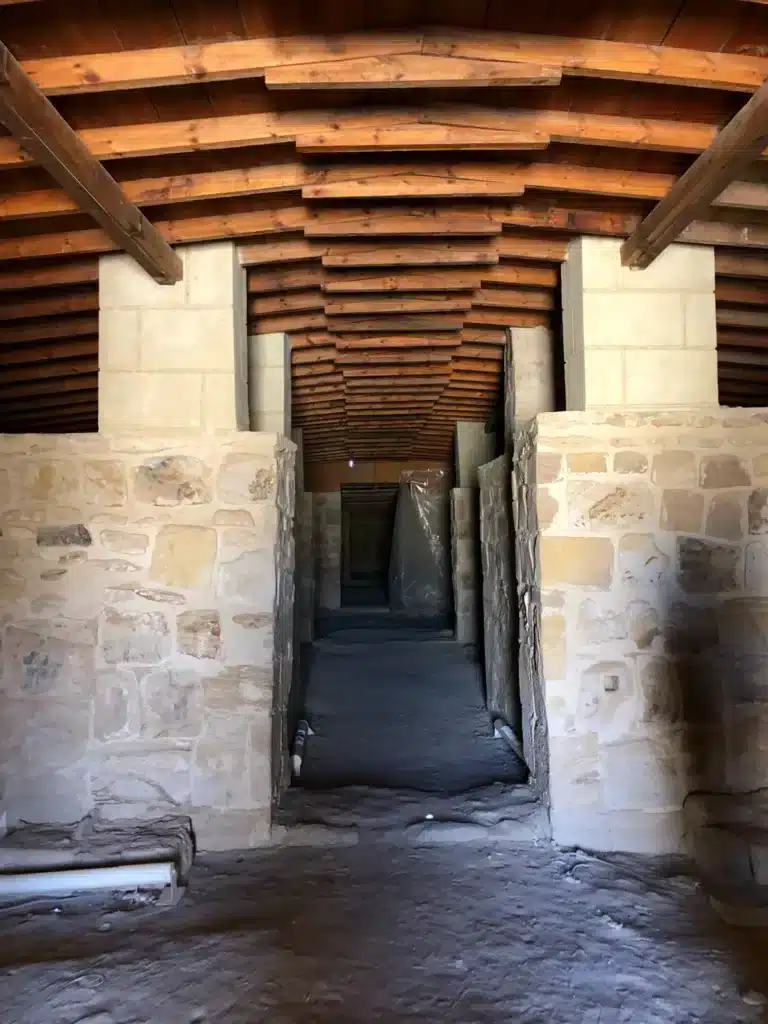
Near Bawiti are four small chapels from the 26th Dynasty, grouped around a courtyard and now protected under a modern roof. They were excavated by Ahmed Fakhry. Their reliefs show gods and offering scenes, and they give a feel for the temples that once served the oasis during the Late Period.

Qarat al Hilwa and older history
Bahariya’s story goes much further back. On a ridge called Qarat al Hilwa is the tomb of Amenhotep Huy, a governor of the oasis in the New Kingdom, more than 3,000 years ago. Ancient texts already praised the wine of the oasis in pharaonic times. It is a quieter site that interests history lovers.
Bahariya through time
This timeline helps place each site you visit.

| Period | Approx. date | Site in Bahariya |
|---|---|---|
| Prehistory | Thousands of years BC | Tools and campsites in the desert |
| Middle and New Kingdom | About 2000 to 1070 BC | Qarat al Hilwa, wine trade |
| 26th Dynasty | About 664 to 525 BC | Tombs of Qarat Qasr Salim, Ain al Muftella |
| Alexander the Great | 332 BC | Temple of Alexander |
| Greco Roman | 332 BC to about AD 395 | Valley of the Golden Mummies |
| Medieval to modern | AD 600 onwards | Old Qasr, mud brick villages |
A half day history route in Bawiti
All the ancient sites are close to each other. A guide can link them in a morning.
| Time | Stop | Duration |
|---|---|---|
| 9:00 | Golden Mummies hall | 45 minutes |
| 10:00 | Tombs of Qarat Qasr Salim | 45 minutes |
| 11:00 | Ain al Muftella chapels | 30 minutes |
| 11:45 | Temple of Alexander | 30 minutes |
| 12:30 | Lunch in Bawiti | 1 hour |
| Afternoon | Black Desert and White Desert | Overnight camp |
Tickets and opening times
Bahariya’s antiquities share a ticketing system managed by the Ministry of Tourism and Antiquities, and prices have changed in recent years. Some sites may close for restoration. We do not list prices because they change, but we check the current situation before each trip and include tickets in our tours when requested.

Photography rules
Photography of the mummies is not permitted. In the tombs, rules can change, so always ask the guard. Outside, the Temple of Alexander and the hills of Bawiti are open for photos.
The role of Zahi Hawass
Zahi Hawass, former Minister of State for Antiquities, led the excavations and wrote a popular book about the discovery. He believed only a small part of the cemetery had been explored and chose to leave many tombs untouched, protected under the sand for future research. This is why the valley is not a tourist site but a sleeping archive of the past.
Oasis Heritage Museum
For a lighter visit, a small private museum in Bawiti shows clay sculptures of traditional oasis life, made by a local artist. It is a fun stop that explains weddings, farming and daily life in Bahariya before modern times.
Combine with the desert
Most travelers combine Bahariya’s history with the deserts nearby. Read our Bahariya Oasis guide, the White Desert rock formations and the Western Desert oases road trip to plan more days.
Common mistakes
Small choices change the visit.
| Mistake | Better choice |
|---|---|
| Expecting to enter the valley | The mummies are shown in Bawiti |
| Arriving late afternoon | Visit sites in the morning |
| Skipping the tombs | Qarat Qasr Salim has the best paintings |
| No guide | A local guide links the history |
| Taking photos of mummies | It is not allowed |
Getting to Bahariya
Bahariya is about 330 to 370 km southwest of Cairo, 4 to 5 hours by road on a good highway. Public buses run, but a private car or tour is easier, especially if you continue into the desert. Read Cairo to the White Desert for transport options.
Visiting with children
Children are fascinated by the story of the donkey and the gold masks. Keep the visit short, then reward them with a swim in a hot spring and a desert camp under the stars.
Egyptian, Greek and Roman together
The Golden Mummies are a window into a mixed society. Families kept Egyptian beliefs about the afterlife and used Egyptian gods on their coffins, but some wore Greek style hair, Roman jewellery and had Greek names. Ptolemaic and Roman coins found in the tombs help date them. For historians the find shows how people far from Alexandria lived and believed under foreign rule.
How the mummies were made
Embalmers in Bahariya used a local technique. Reports describe reed sticks placed along the sides of some bodies to make them stronger before wrapping. Bodies were dried with natron, wrapped in linen and covered with plaster, cartonnage or gold according to the family’s wealth.

Where to stay
Bawiti has simple hotels and eco lodges among the palms, some with hot springs. See where to stay in Bahariya Oasis and the hot springs guide.
Best time to visit
October to April is the most comfortable season for both the sites and the desert. In summer, visit the tombs early in the morning before the heat. See the best time to visit.
See Bahariya with a son of the oasis
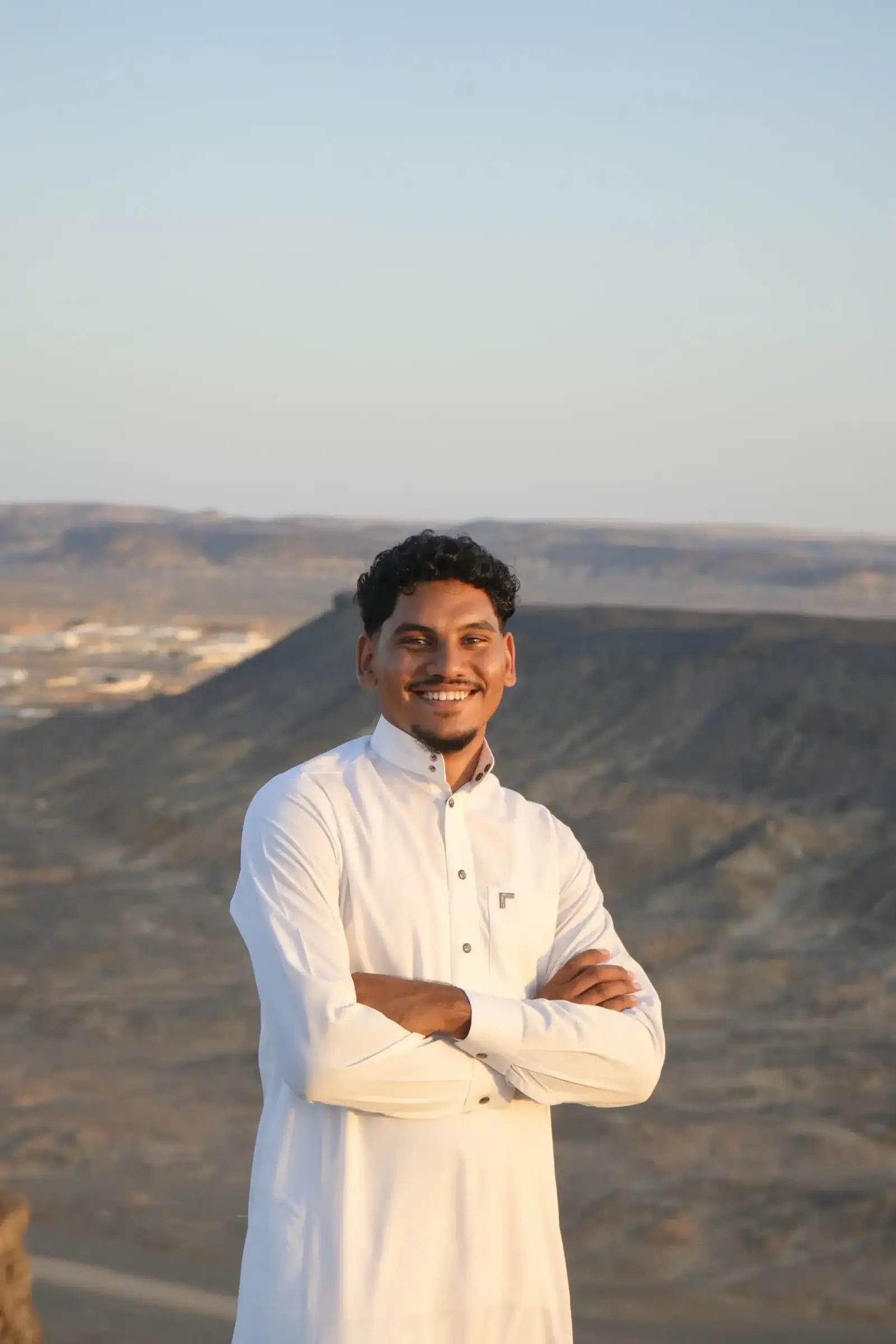
Our founder Eyad was born in Bahariya and grew up with these stories. We combine the ancient sites with the springs, the palm gardens and the desert, so you see the oasis as locals do.
Valley of the Golden Mummies in one minute
- Found in 1996 when a donkey fell into a tomb near Bawiti.
- About 250 mummies recovered, some with gilded masks.
- Greco Roman period, about 2,000 years ago.
- The valley is closed, but mummies are displayed in Bawiti.
- Add the painted tombs and the Temple of Alexander nearby.
Valley of the Golden Mummies FAQ
What are the golden mummies of Bahariya
A Greco Roman cemetery in Bahariya Oasis where about 250 mummies, some gilded, were found.
When was it discovered
In 1996, with excavations from 1999.
How was it discovered
A guard’s donkey broke through the sand into a tomb.
Can I visit the cemetery
The cemetery is closed, but some mummies are displayed in Bawiti.
How old are the golden mummies
About 2,000 years old.
Can I take photos of the mummies
No, photography is not allowed.
What else can I see in Bahariya
The painted tombs of Qarat Qasr Salim, Ain al Muftella and the Temple of Alexander.
How far is it from Cairo
Bahariya is about 4 to 5 hours by road.
Official sources and further reading
- Britannica: Western Desert of Egypt
- Britannica: Bahariya Oasis
- Experience Egypt: official Egypt tourism site
- Ministry of Tourism and Antiquities: Egypt monuments
- GOV.UK: Egypt travel advice
- Lonely Planet: Egypt travel guide
- Eyad Elzaghandi, author of this guide, founder of Egypt Desert Trips and licensed local guide: 5.0 on Tripadvisor from 43 traveler reviews
Eyad Elzaghandi wrote this guide. He is the founder of Egypt Desert Trips, a licensed tour guide born in Bahariya Oasis and the organiser of every trip on this site. With a team of local guides and drivers he hosts travelers across the Western Desert, Cairo, the Nile Valley and Sinai. Travelers rate his tours 5.0 on Tripadvisor from 43 reviews, listed as Elzaghandi Travel. Meet the team.
Keep planning
Planning your own Egypt journey?
Tell us your dates, interests and travel style. Eyad and the Egypt Desert Trips team will help shape a private journey around the Egypt you want to experience.
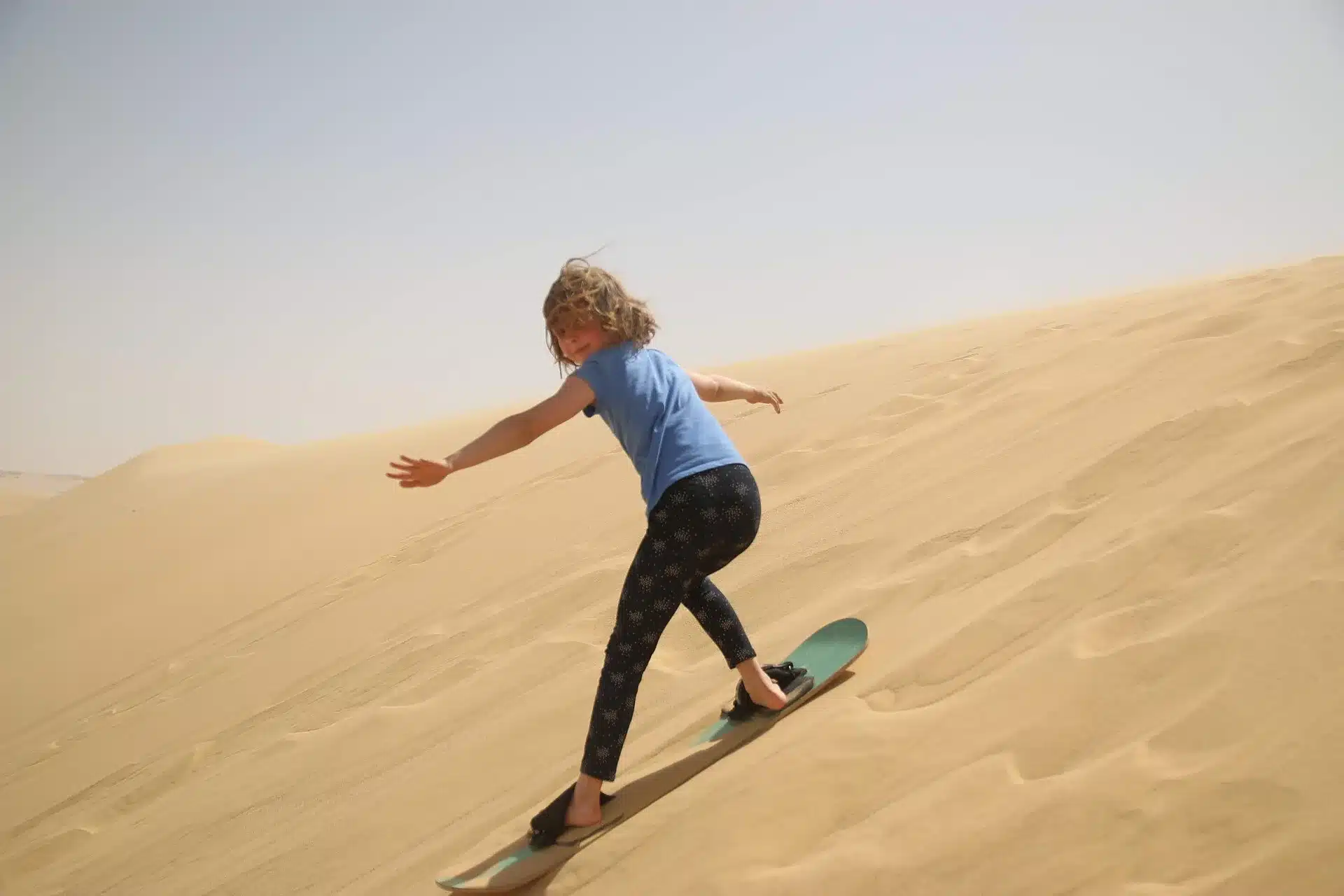
Sandboarding in Fayoum 2026: Best Dunes, Prices and Beginner Guide
Everything you need for sandboarding in Fayoum: the best dunes around Magic Lake and Wadi El Rayan, how a day…
Read Guide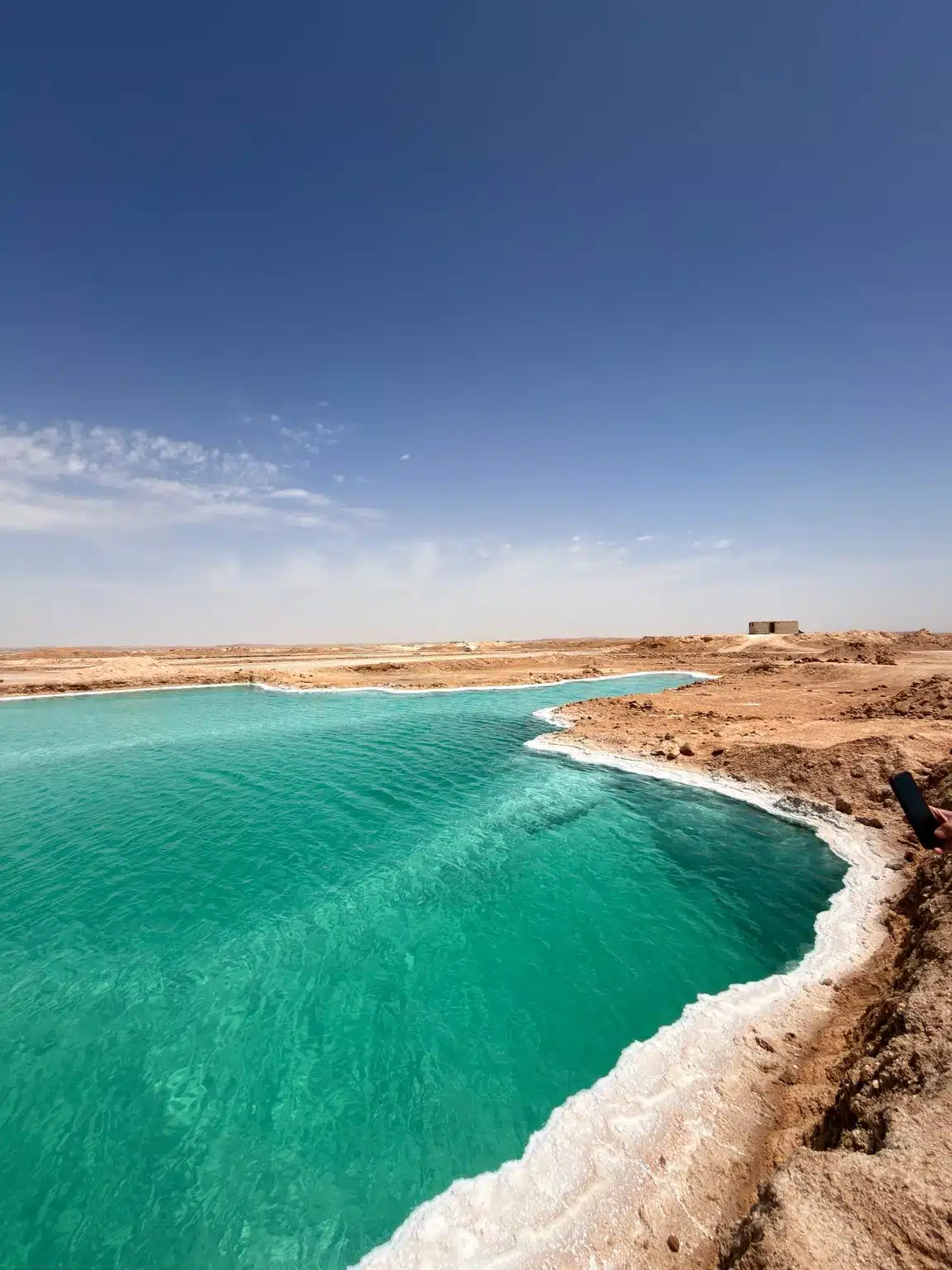
Siwa Oasis Tour Cost from Cairo: Real 2026 Prices by Group Size
Real Siwa Oasis tour prices from Cairo for 2026: 3, 4 and 5 day private tours by group size, what…
Read Guide
White Desert Tour from Hurghada or Luxor: Routes, Times and Best Options (2026)
How to visit the White Desert from Hurghada, Luxor, Sharm or Alexandria: driving times, flights via Cairo, private pickup from…
Read Guide